Fumed and Smoked Oak Floors in Montecito and Santa Barbara: How to Specify and Source Them

Updated: 3 days ago

A specifier's guide to fumed and smoked oak floors for Montecito, Santa Barbara and Hope Ranch: how fuming changes oak, approving color on real samples, coastal air and slab moisture, sourcing from the mill and the installation checks that keep a dark floor even.
Planning a fumed or smoked oak floor for a home in Montecito or Santa Barbara? Call Joe Avila at (908) 232-6600 or book a virtual consultation.
Phone: (908) 232-6600
Email: joe@hugginsflooring.com
Book online: Schedule a consultation
Office: 406B West Broad Street, Westfield, NJ 07090. Monday to Friday, 9 to 5. Serving clients nationwide.
Montecito's estates, from Spanish Colonial revivals to new houses set among the oaks, often call for a floor with depth: warm brown to near-black oak that reads as old and settled from the first day. Fumed and smoked oak gives that look, but its color comes from a chemical reaction in the wood, not from a can of stain. Here is how we specify and source these floors and see them through installation.
Why Fumed And Smoked Oak Suit Montecito Homes

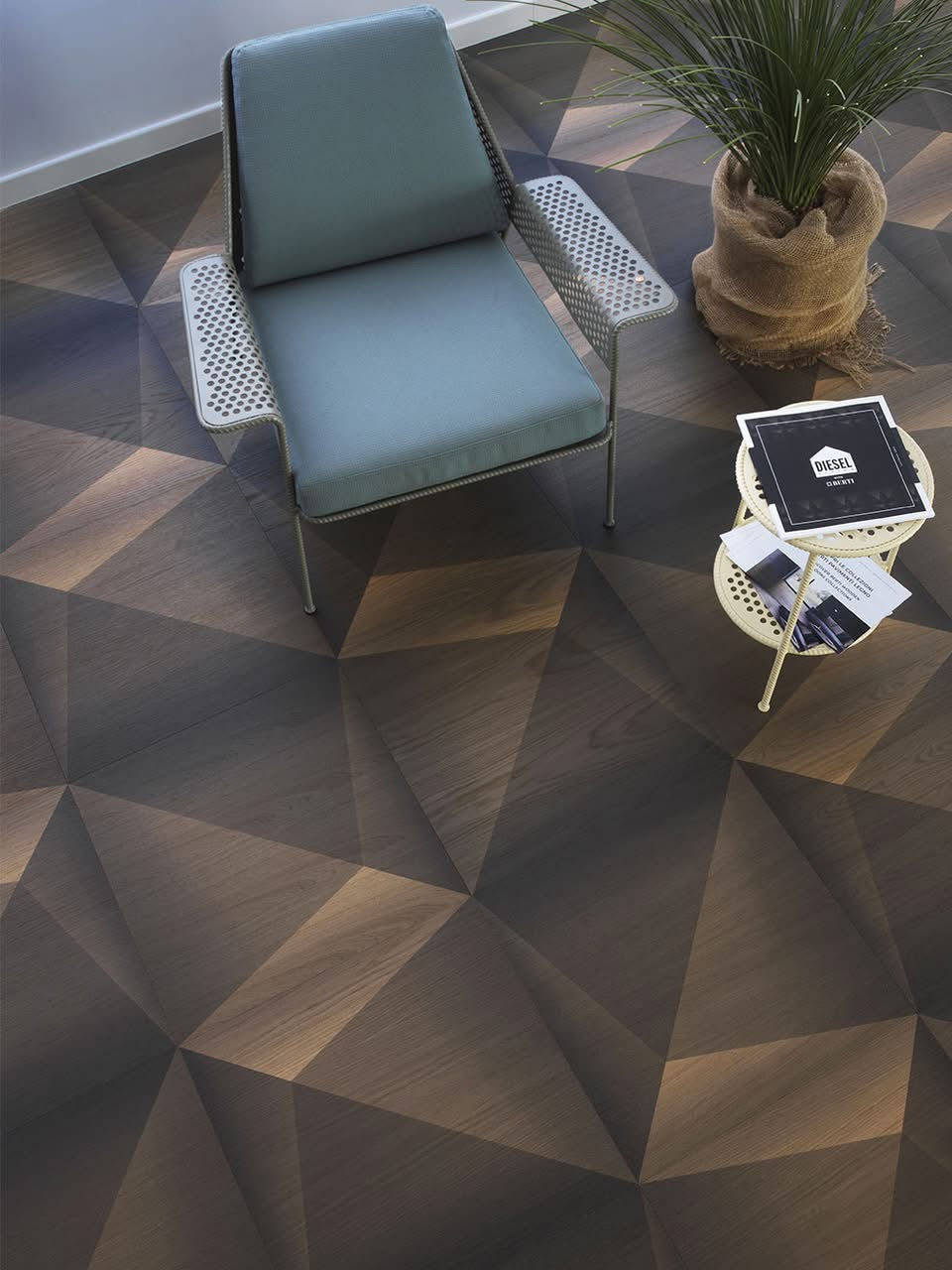
Fumed oak sits comfortably beside plaster walls, terracotta and dark beams, and it hides everyday dust and sand better than pale floors near the coast. It works in wide boards, in herringbone and chevron, and in panel patterns such as Versailles parquet. Our patterned floor ideas show how one tone can carry through a whole house.
How Fuming Changes The Color Of Oak

Fuming exposes oak to ammonia vapor, which reacts with the tannin in the wood and darkens it below the surface, rather than coloring only the top like a stain. Because tannin varies from tree to tree, boards come out lighter and darker, and sapwood stays paler. That variation is part of the look, but it has to be agreed in the flooring specification, along with the finish and color that goes over it.
Approving Color On Real Samples

A small chip never shows the full range of a fumed floor. We ask for large samples from the production lot, review them in the room's own light with the architect and designer, and record the accepted range of light and dark boards. The same finish system is used on the samples and the floor, so the approved color is the one that arrives. Our European white oak guide covers grading choices that affect color, too.
Want a second opinion on fumed oak samples for your project? Book a consultation and we will review them with you.
Coastal Air, Slabs And Moisture
Montecito and Santa Barbara sit between the ocean and the mountains, with marine-layer mornings, dry offshore winds and many houses built on concrete slabs. Before delivery we test slab and flooring moisture content, plan acclimation at living conditions, and set an indoor humidity range through our moisture control services. A floor installed too wet can cup, and one that dries too fast can show hardwood floor crowning or open gaps. Our Bel Air chevron guide covers the same Southern California conditions.
Sourcing And Installation Checks

Fuming is usually done before delivery under controlled conditions, so the production lot matters. We source direct from domestic and European mills, confirm species, grade, construction and moisture in writing, and keep spare boards from the same lot for future repairs. Our materials and contractor vetting covers the installer as well as the flooring.
Slab flatness, moisture and vapor control checked first
Flooring moisture content checked on arrival and before installation
Boards blended from several cartons to spread light and dark tones
Expansion space at walls, thresholds and fixed objects
Spare boards from the same lot stored on site for repairs
Final walk-through against the approved sample and finish
We keep photo and moisture records through on-site quality control visits at each stage. If a fumed floor shows uneven color or movement later, those records help a certified wood inspector separate flooring defects in the product from site or installation causes.
Already concerned about color or movement in a dark oak floor? Ask about our wood floor inspections.
Quick Answers: Fumed Oak Floors In Montecito
What is the difference between fumed oak and stained oak?
Fuming darkens oak through a reaction between ammonia vapor and the wood's natural tannin, so the color sits below the surface. Stain colors the top layer. Both are set in the flooring specification and approved on real samples.
Why do fumed oak boards vary in color?
Tannin content varies from tree to tree, and sapwood has less of it, so some boards fume darker than others. As with any custom color, the accepted range is agreed on large samples before ordering, and boards are blended during installation.
Is fumed oak a good choice over a concrete slab near the coast?
It can be, usually in an engineered construction, once slab moisture has been tested and an indoor humidity range is set. Read about moisture content targets before installation.
Do you work in Montecito and Santa Barbara?
Yes. We consult on projects in Montecito, Santa Barbara and Hope Ranch from our Westfield, NJ office, and offer virtual consultations nationwide.
Planning A Fumed Oak Floor In Montecito?
National Wood Floor Consultants specifies and sources fumed, smoked, wide plank, herringbone, chevron and parquet floors for architects, designers, builders and owners in Montecito, Santa Barbara and nationwide, then oversees installation. Call (908) 232-6600, book a consultation, or read about our flooring specification services and materials and contractor vetting.
Have a question about your own floor? Call (908) 232-6600, email joe@hugginsflooring.com or book a virtual consultation with Joe Avila, NWFA certified wood flooring inspector.
About The Author

Joe Avila is the founder and lead consultant of National Wood Floor Consultants, with 26 years in wood flooring. He is an NWFA Certified Wood Flooring Inspector, installer and sander, and teaches accredited AIA, ASID and IDCEC continuing education for architects and designers. His project experience includes Montclair University, One Wall Street, institutional and landmark buildings, and luxury residences and penthouses, and he pioneered subfloor sound-attenuation systems for New York City apartments. Read Joe's full profile.
Related Reading
Oil, Lacquer or Urethane: How to Choose a Wood Floor Finish for NJ, NY and PA Homes
Chevron Wood Floors in Bel Air and Beverly Hills: How to Specify and Source Them
European White Oak Floors in Westchester: How to Specify and Source Them
10 Patterned Wood Floor Ideas for Luxury Homes, From Herringbone to Versailles
Engineered Wood Floors for Palm Beach and Naples Homes: How to Specify Over Concrete Slabs
Comments