Reclaimed and Antique Wood Floors on Philadelphia's Main Line: How to Specify and Source Them

Updated: 3 days ago

A specifier's guide to reclaimed and antique wood floors for Bryn Mawr, Villanova, Gladwyne and Haverford homes: species, kiln drying, grading, milling and the checks that keep old wood steady in a new house.
Planning a reclaimed floor on the Main Line? Call Joe Avila at (908) 232-6600 or book a virtual consultation.
Phone: (908) 232-6600
Email: joe@hugginsflooring.com
Book online: Schedule a consultation
Office: 406B West Broad Street, Westfield, NJ 07090. Monday to Friday, 9 to 5. Serving clients nationwide.
Reclaimed and antique wood is the floor Main Line clients ask for when a stone farmhouse, a Colonial Revival addition or a new estate needs to feel like it has always been there. Old boards bring color and character that new lumber can't, but they also bring nails, old finishes and uneven moisture. The decisions made at the specification stage, and how carefully we vet the supplier and installer, decide whether that character lasts.
1. Where Reclaimed Wood Comes From

Reclaimed flooring is usually milled from beams, siding and boards salvaged from old barns, mills, factories and warehouses. In the Mid-Atlantic that often means oak, chestnut, white pine and antique heart pine. Each source gives a different color, grain and amount of character, so we compare reclaimed lots with other wood flooring choices and approve samples from the lot that will actually ship.
2. Kiln Drying, De-Nailing And Milling

Old timber has to be cleared of nails and metal, then kiln dried to bring it to a steady moisture content and kill any insects before it is milled. After that it is resawn and milled to a consistent thickness, width and tongue-and-groove profile. We ask how each step is done and documented, because poor drying or loose milling shows up later as gaps, cupping or hardwood floor crowning.
3. Grading, Character And Sample Approval

Reclaimed wood has no single grading standard the way new oak does, so the character has to be written into the specification. We set how many nail holes, checks, saw marks and color changes are acceptable, whether surfaces are kept original or planed, and the range of board widths and lengths. That record separates intended character from hardwood floor problems if questions come up later.
Comparing reclaimed lots for a Main Line project? Call (908) 232-6600 or book a virtual consultation.
4. Main Line Seasons And Board Movement

Philadelphia's humid summers and dry, heated winters make every wood floor shrink and swell through the year, and wide reclaimed boards move more than narrow ones. Some winter gaps between floorboards are normal. We set a target moisture range for the boards and subfloor before delivery, plan humidity control with the mechanical engineer, and let the flooring acclimate to the conditions it will live in.
5. Matching Old Floors In Additions And Restorations

Many Main Line projects tie a new kitchen or wing into original floors. Matching means identifying the existing species, width and cut, then finding reclaimed stock with similar age and color, and testing the finish on both. We follow the same approach we use for historic floors in Back Bay and Beacon Hill, and settle color on sample boards as part of our custom colors and finishes process.
6. Engineered Or Solid Reclaimed

Solid reclaimed boards suit a dry plywood subfloor in a well-controlled house and allow future sandings. A reclaimed wear layer over a stable engineered core is often the steadier choice over radiant heat, concrete or very wide boards. We weigh both against the site, the same way we compare options for wide plank floors in the Hamptons and American walnut on the North Shore.
Deciding between solid and engineered reclaimed? Call (908) 232-6600 or book a virtual consultation.
7. Our Checks Before And During Installation
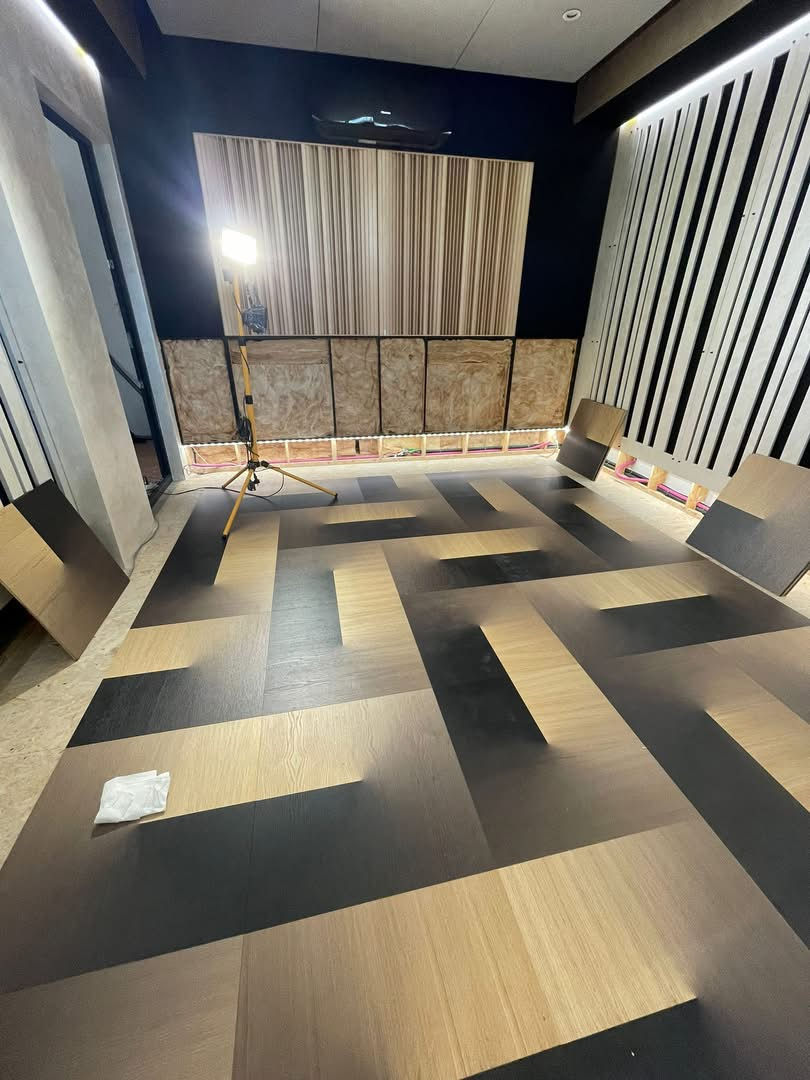
Moisture readings of the subfloor and the delivered boards, logged before work starts
A pre-installation site inspection of subfloor flatness and fastening
Delivered boards checked for metal, milling, thickness and character against the approved sample
Board widths, lengths and color mixed across the room before nailing
Finish coats inspected before furniture and rugs go down
These checks follow our quality control process. If a problem shows up after the job, an NWFA certified wood inspector can compare the floor against these records and the specification.
Quick Answers
Is reclaimed wood flooring stable enough for a new house?
Yes, when it has been kiln dried, milled to a consistent profile and installed at the right moisture content. Poorly dried reclaimed wood is the main cause of gaps and cupping.
What species are common in reclaimed floors?
In the Mid-Atlantic, reclaimed floors are often oak, chestnut, white pine or antique heart pine. Each lot differs, so we approve samples from the actual stock.
Can reclaimed boards match an old floor in an addition?
Often, yes. We identify the existing species, width and cut, source similar stock and test the finish on both floors before work starts. See our guide to historic floors.
Do you work in Bryn Mawr, Villanova, Gladwyne and Haverford?
Yes. We consult on Philadelphia's Main Line and nationwide from our Westfield, NJ office, and offer virtual consultations anywhere.
Planning A Reclaimed Floor On The Main Line?

National Wood Floor Consultants specifies and sources reclaimed, oak and patterned floors for Main Line architects, designers and owners, then oversees installation. Call (908) 232-6600, book a consultation, or read about our flooring specification services and materials and contractor vetting.
Have a question about your own floor? Call (908) 232-6600, email joe@hugginsflooring.com or book a virtual consultation with Joe Avila, NWFA certified wood flooring inspector.
About The Author

Joe Avila is the founder and lead consultant of National Wood Floor Consultants, with 26 years in wood flooring. He is an NWFA Certified Wood Flooring Inspector, installer and sander, and teaches accredited AIA, ASID and IDCEC continuing education for architects and designers. His project experience includes Montclair University, One Wall Street, institutional and landmark buildings, and luxury residences and penthouses, and he pioneered subfloor sound-attenuation systems for New York City apartments. Read Joe's full profile.
Related Reading
On-Site Quality Control for Wood Floor Installations in NJ, NY and PA: What Gets Checked
Historic Wood Floors in Back Bay and Beacon Hill: How to Restore, Match and Specify Them
Wide Plank Flooring in the Hamptons: How to Specify and Source It for Coastal Homes
American Walnut Floors on Chicago's North Shore: How to Specify and Source Them
Gaps Between Hardwood Floorboards in Winter: Normal or a Problem?
Comments