On-Site Quality Control for Wood Floor Installations in NJ, NY and PA: What Gets Checked

Posted November 11, 2026

What an independent quality control check looks at while a wood floor is being installed, from the subfloor and moisture to fastening, layout and finish.
Want independent checks on your wood floor installation? Call Joe Avila at (908) 232-6600 or book a virtual consultation.
A wood floor can be specified perfectly and still go wrong on site. Many problems that show up months later, such as cupping, gaps or loose boards, begin with something that was missed during installation. That is why our on-site quality control service puts an independent set of eyes on the job while the floor is going in.
Below is what gets checked, stage by stage, on projects in New Jersey, New York and Pennsylvania. The aim is simple: catch problems before they cost the owner, rather than diagnose them later in an inspection.
Why Independent Checks During Installation Matter

The installer, the general contractor and the supplier all want the floor to succeed, but each is also responsible for part of the result. An independent check sits outside those roles. It looks at the work against the wood flooring specification and flags anything that does not match while it is still easy to change. Fixing a subfloor or adjusting a layout takes far less effort before the wood goes down than after it is finished. This is the same thinking behind our quality control strategies for high-end projects, and it pairs well with careful contractor selection before work starts.
Subfloor Checks

The subfloor is checked first, because every board above it depends on it. That means looking at flatness, soundness and how securely the subfloor is fastened, and confirming it suits the flooring and installation method in the specification. Dips and humps show through a finished floor, and patterned floors such as herringbone or chevron show them most. Loose or squeaky areas are noted for correction before installation continues. Our pre-installation site inspection guide explains what architects and designers should review even earlier, and the posts on buckling and bulging floors show what can happen when subfloor problems are missed.
Moisture Checks

Moisture is behind many wood floor failures, so it is checked in the subfloor, in the flooring and in the room itself. The goal is to confirm the wood and the space are within the range the specification calls for before boards are fastened. Wet concrete, a damp crawlspace or a building that is not yet heated or cooled can all push readings out of range. Our moisture control service covers acclimation guidance and humidity planning, and the guides on normal moisture content and acclimation time explain what the readings mean. Skipping this step is one of the most common routes to cupping.
Planning an installation and want independent checks along the way? Call Joe Avila at (908) 232-6600 or book a virtual consultation.
Fastening And Layout

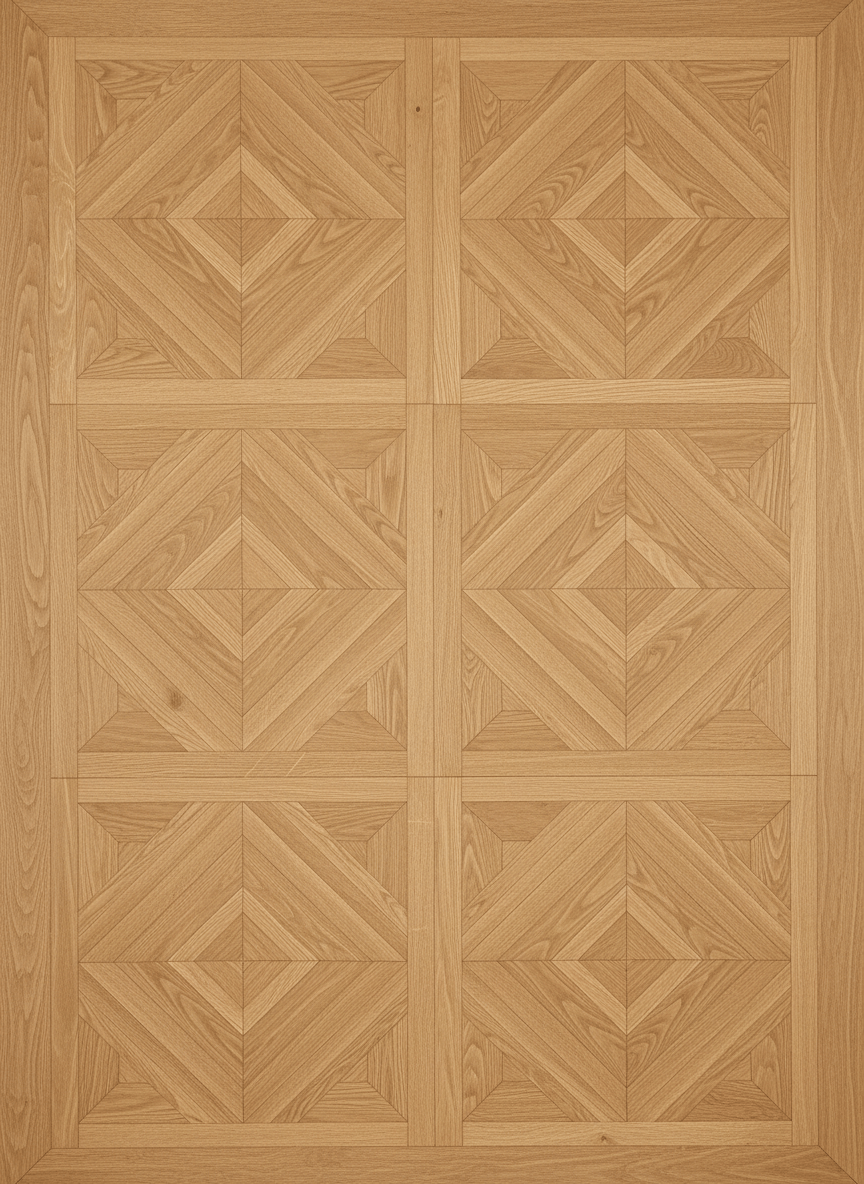
Once installation starts, fastening and layout are checked as the floor goes down. Fastening covers whether boards are nailed, stapled or glued as the specification and the manufacturer require, with the right spacing and coverage. Layout covers where the floor starts, how rows and patterns line up with the room, how borders and transitions are handled, and whether expansion space has been left at the edges. In a herringbone, chevron or Versailles parquet floor, a small error at the starting line grows across the room, so it pays to catch it in the first rows. Poor fastening is also a frequent finding when inspectors separate installation defects from manufacturing defects.
Finish Checks
The last checks cover the finish. Sanding marks, uneven color, trapped debris and inconsistent sheen are all easier to correct before the final coat cures than after furniture is moved in. Where a custom stain or color was specified, the finished floor is compared with the approved sample. Our post on custom colors and finishes explains why sample approval matters, and the inspection checklist shows what an inspector looks for if questions come up after the job is complete. When the finish is right, the floor can be handed over with confidence.
Ready to put independent quality control on your next floor? Call (908) 232-6600 or book a virtual consultation.
Quick Answers
What does on-site quality control check during a wood floor installation?
It checks the subfloor, moisture, fastening, layout and finish while the floor is being installed, so problems are found and corrected before they become costly. See our on-site quality control service for details.
How is quality control different from a hardwood floor inspection?
Quality control happens during installation to prevent problems. An inspection usually happens after a floor is installed, often when something has gone wrong, to find the cause.
When should quality control checks start?
Before the first boards go down, with subfloor and moisture checks, then through fastening, layout and finish. Our moisture control service covers the planning that comes before installation.
Do you provide on-site quality control in New Jersey, New York and Pennsylvania?
Yes. Call (908) 232-6600 or book a consultation to talk through your project.
Plan Your Floor
National Wood Floor Consultants provides on-site quality control for wood floor installations in New Jersey, New York and Pennsylvania, alongside specification, sourcing and installer vetting. Call (908) 232-6600, email joe@hugginsflooring.com or book a consultation. You can also read about our flooring specification services and materials and contractor vetting.
About The Author

Joe Avila has worked in wood flooring for 26 years. He is NWFA certified (CSI, CI, CWFI, CFS) and teaches NWFA continuing-education courses for architects, designers and flooring professionals. National Wood Floor Consultants, a Huggins Wood Floor Specialist brand.
Related Reading
Precision and Perfection: Quality Control Strategies for Your Next Wood Flooring Project
Pre-Installation Site Inspection: A Comprehensive Guide for Architects and Interior Designers
What Does a Hardwood Floor Inspection Include? A Certified Inspector's Checklist
Wood Flooring Grades Explained for New Jersey, New York and Pennsylvania Homes
Comments