Moisture Control Before Wood Floor Installation in NJ, NY and PA: What It Covers

Updated: 7 hours ago
Posted November 13, 2026

Most wood floor failures start with moisture, and most of them can be prevented before the first board is installed.
Planning a wood floor installation in New Jersey, New York or Pennsylvania? Call Joe Avila at (908) 232-6600 or book a virtual consultation.
Wood is always trading moisture with the air and the structure around it. When the boards, the subfloor and the house are far apart in moisture at installation, the floor moves afterward, and that movement shows up as cupping, gaps or buckling. Our moisture control services exist to close that gap before installation, not to explain it afterward.
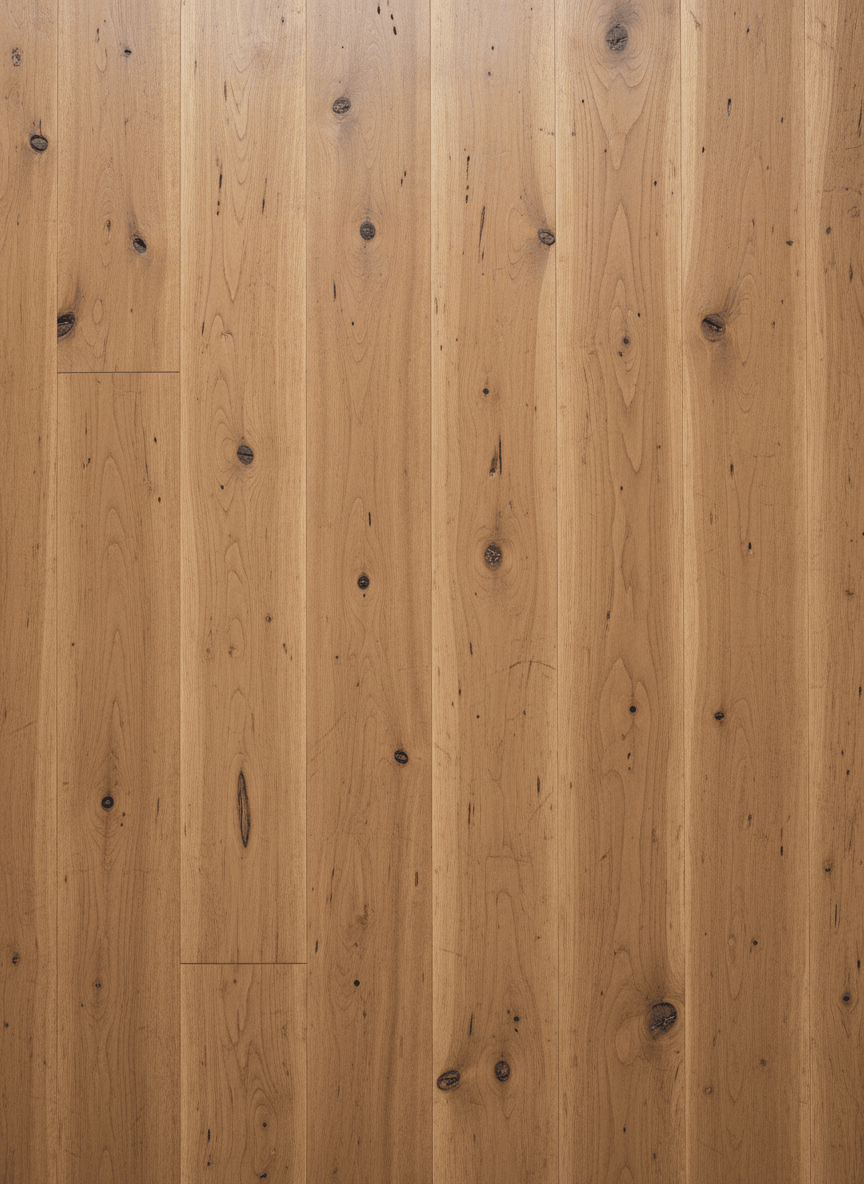
This guide walks through what a moisture assessment covers and why each step matters for a high-end floor. The renders below show several of the species, patterns and grades we specify, from Versailles panels to reclaimed planks, as our guide to wood flooring grades describes.
Assessing The Installation Environment

The first step is a look at the space the floor will live in. That means the subfloor, the conditions in the rooms and whether the building is ready for wood at all. A house with wet plaster, fresh concrete or no working heating and cooling is not ready, however tight the schedule. The assessment notes what the site is doing now and what it will do once the house is occupied. That information feeds the wood flooring specification, so the floor is chosen for the real conditions rather than ideal ones.
Testing The Subfloor And Concrete Slabs

Wood subfloors are checked with moisture meters and compared with the flooring, because a large difference between the two is a common cause of later movement. Concrete slabs need their own testing, since a slab can look dry on the surface and still release moisture for a long time. Our wood floor testing page lists the standard methods we work from, including moisture content testing of the wood itself. The results decide whether the floor can go in, needs more time or needs a different construction.
Acclimation Guidance For The Flooring

Acclimation is often misunderstood as leaving boxes in a room for a set number of days. What matters is the moisture content of the wood compared with the conditions it will live in, and that is measured, not assumed. Some products need time on site and some are made to be installed close to delivery, so the guidance follows the product and the site. Our guide on how long flooring should acclimate explains the reasoning, and our guide to normal hardwood moisture content covers the numbers people ask about.
Want a moisture plan in place before your floor is delivered? Call (908) 232-6600 or book a virtual consultation with Joe Avila.
Humidity Planning For The Finished House
In New Jersey, New York and Pennsylvania, summers are humid and heated winter air is dry, so floors swell and shrink with the seasons. A humidity plan sets a target range for the house and the equipment to hold it, so that movement stays small. It matters most for wide planks, patterned floors and homes that sit empty for part of the year. Small seasonal changes are normal, as our guide to winter gaps between floorboards explains, but steady humidity keeps them from turning into damage.
How Moisture Control Prevents Cupping, Gaps And Buckling

Cupping, wide seasonal gaps and buckling are three of the most common complaints we see in independent floor inspections, and moisture is behind most of them. Cupping often points to moisture from below. Buckling usually means the floor took on so much moisture that it ran out of room. Getting the site, the testing, the acclimation and the humidity plan right lowers the risk of all three. During installation, our on-site quality control checks that the moisture plan is actually being followed. Our guide to why floors cup goes deeper.
Ready to plan moisture control for your project? Call (908) 232-6600 or book a virtual consultation with Joe Avila.
Quick Answers
What does moisture control before wood floor installation include?
It covers an assessment of the installation environment, moisture testing of the subfloor or slab, acclimation guidance for the flooring and a humidity plan for the finished house. Our moisture control services page lists each part.
Why test a concrete slab before installing wood?
A slab can look dry on the surface while still releasing moisture, which can damage wood above it. Testing tells you whether the floor can go in or needs more time or a different construction, as our wood floor testing page explains.
Can moisture problems be prevented completely?
Wood always moves a little with the seasons, so small changes are normal, as our guide to winter gaps explains. Good testing, acclimation and humidity control keep that movement small and lower the risk of cupping, gaps and buckling.
Do you offer moisture assessments outside New Jersey?
Yes. We work across New Jersey, New York and Pennsylvania and in major cities nationwide, and we offer virtual consultations anywhere.
Plan Your Floor
National Wood Floor Consultants helps owners, architects, designers and builders plan moisture control before installation, then sources and oversees the floor through completion. Call (908) 232-6600, email joe@hugginsflooring.com or book a consultation. You can also read about our flooring specification services and materials and contractor vetting.
About The Author

Joe Avila has worked in wood flooring for 26 years. He is NWFA certified (CSI, CI, CWFI, CFS) and teaches NWFA continuing-education courses for architects, designers and flooring professionals. National Wood Floor Consultants, a Huggins Wood Floor Specialist brand.
Related Reading
How to Choose Plank Width for a Wood Floor in NJ, NY and PA Homes
How Long Should Hardwood Flooring Acclimate Before Installation?
Why Is My Hardwood Floor Cupping? An NWFA Inspector Explains Causes and Fixes
Solid vs Engineered Wood Flooring for New Jersey, New York and Pennsylvania Homes
Hardwood Floor Buckling: Causes, Repairs and When to Call an Inspector
Comments